

The literal translation of the original German title of this novel is something like: Man is a Large Pheasant in the World. I’ve always felt the publishers should have retained it; I suspect the shift to The Passport was driven more by sound economic principles than literary ones. While the latter is functional, the former captures the surreal, lumbering vulnerability of the human condition that Müller so masterfully depicts.
The first thing that strikes you is the rhythm. The text is constructed primarily of short, clipped sentences—often just three or four words—that flow with a relentless, staccato pace. The language is deceptively simple and sparse. Yet, as you are drawn in, you realize how dense the construction truly is; there is an immense amount of history and heartbreak compressed into so few pages.
The story is set in a German-speaking Romanian village under the totalitarian regime of Nicolae Ceaușescu. During this period, the German-speaking minority—the “Swabians”—were systematically oppressed and subject to the profound ills of ethnic cleansing. Their livestock, crops, and properties were routinely confiscated by the militiamen of the communist state. The Romanians do not want the Swabians there, and in this environment, women are treated as little more than currency by both the militia and the church. The village is a portrait of depravity and disillusionment—a place where the failed promise of communism has been replaced by a desperate, shimmering illusion of liberty in the West. Everyone is waiting for the single instrument of their salvation: the passport.
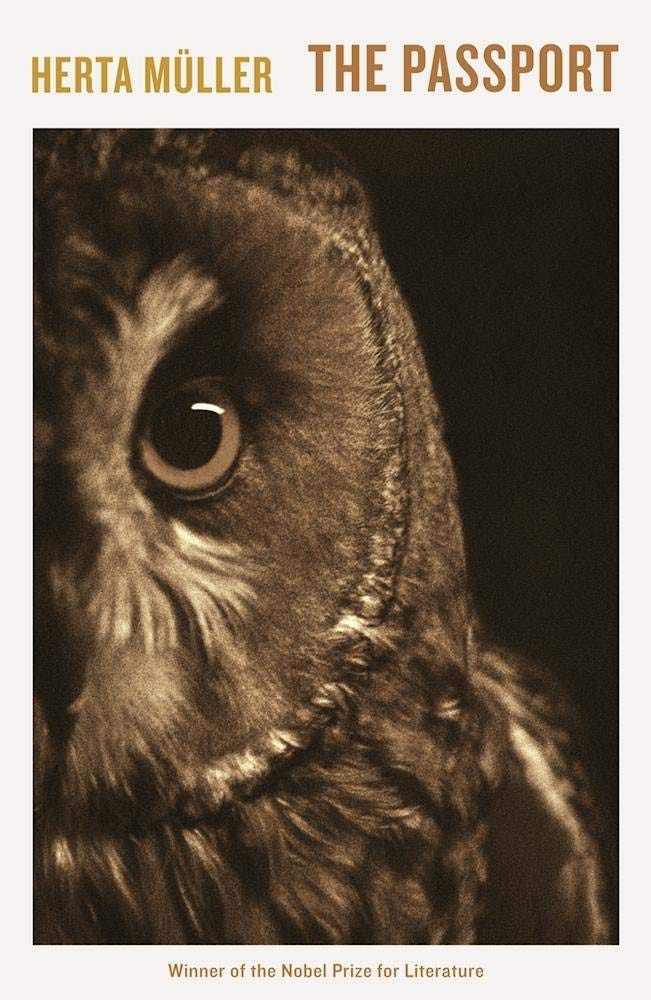
To provide some historical context—the Banat Swabians were ethnic Germans who settled in the Banat region during the 18th century, maintaining a distinct linguistic and cultural identity for over two hundred years. Under the regime of Nicolae Ceaușescu, they faced systematic oppression in an effort to homogenize the Romanian state. This created the desperate, corrupt environment captured in The Passport, where the West German government eventually began “buying” the freedom of these citizens through cash payments to the Romanian state.
The plot of The Passport itself is straightforward. Windisch is a miller waiting for passports for himself, his wife, and his daughter, Amalie. He has bribed the mayor with sacks of flour, but in a town fueled by corruption, flour is not enough. His wife knows it, and eventually, Windisch must confront the reality he has tried to ignore: that the priest and the militiamen require a more personal bribe from his daughter. She, ultimately, holds the key to their exit.
Müller’s approach to this seemingly simple story is anything but. She moves in elliptical arcs, blending stark reality with elements of magic realism and superstition. She uses a nonlinear structure to weave historical trauma into the present with such economy that the prose frequently ascends to poetry. The book is composed of short episodes with obscure, intriguing titles, each functioning like a poetic fragment that advances the plot ever so slightly.
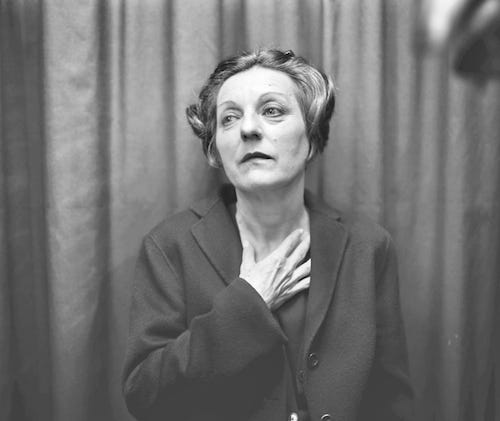
Herta Müller herself was born into this very community in Nițchidorf, Romania, in 1953. As a Banat Swabian, she experienced firsthand the persecution she describes—her mother was deported to a Soviet labor camp, and Müller herself was later harassed and fired from her job for refusing to cooperate with the Securitate (the secret police). Her work is recognized for the ability to depict the “landscape of the dispossessed.”
While The Passport is undeniably a political novel, there is hardly a mention of overt politics or the mechanics of the regime. Instead, Müller uses imagery and a wry, dark sense of humour to communicate the absolute bleakness of the situation.
You might also find this interesting
Raison D'être: Our Search for Meaning

Viktor Frankl was a neurologist and psychiatrist who founded the “Third Viennese School” of psychotherapy, following in the footsteps of Sigmund Freud and Alfred Adler. While his work in logotherapy is widely cited, I had encountered his ideas increasingly in recent years and felt a growing desire to investigate the source. Where better to begin than wi…