

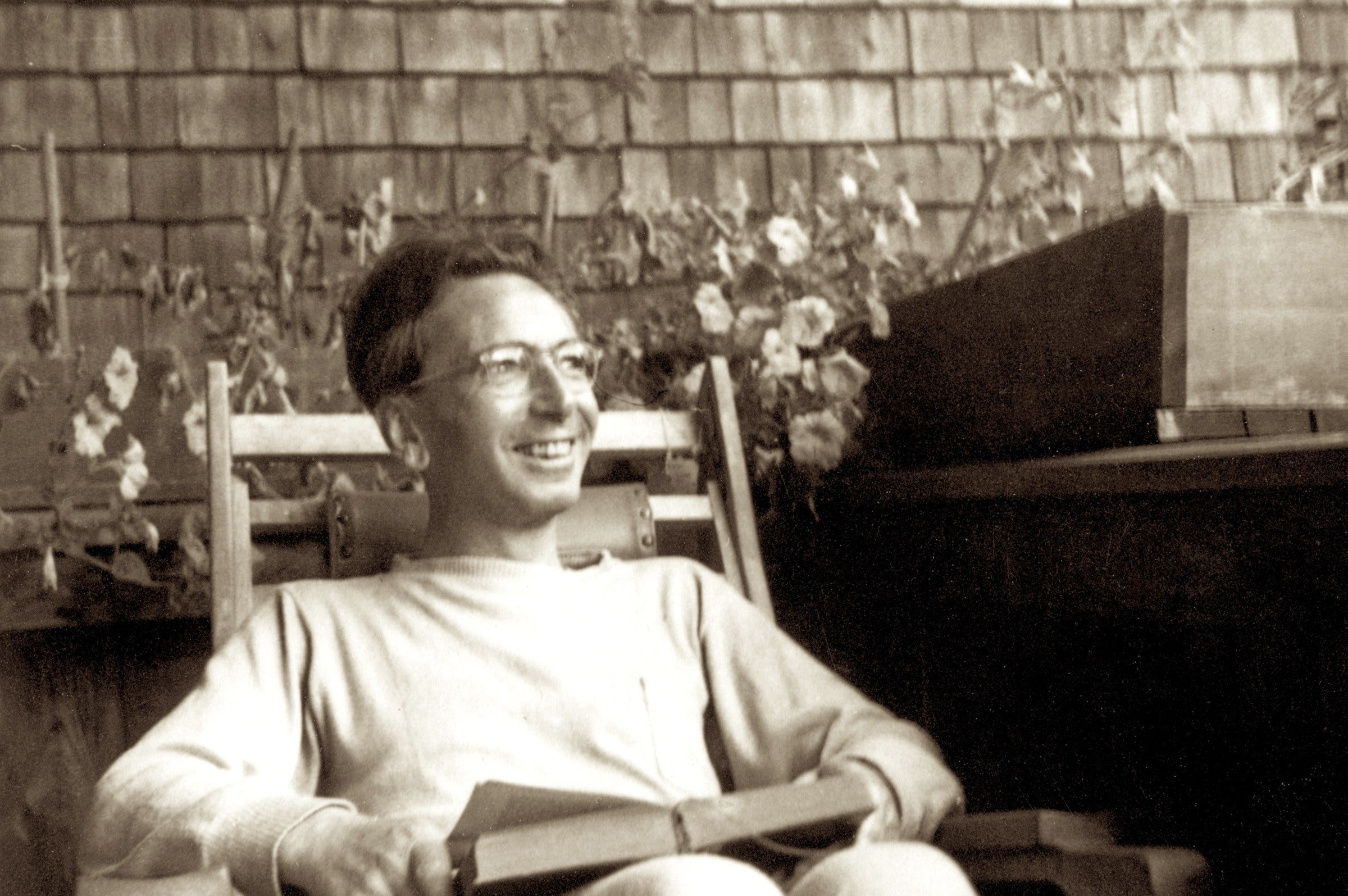
Viktor Frankl was a neurologist and psychiatrist who founded the “Third Viennese School” of psychotherapy, following in the footsteps of Sigmund Freud and Alfred Adler. While his work in logotherapy is widely cited, I had encountered his ideas increasingly in recent years and felt a growing desire to investigate the source. Where better to begin than with this seminal book? In the preface, Dr. Frankl notes—perhaps half-heartedly—that of the dozens of books he authored, this particular one captured the global imagination. Ironically, he had originally intended to publish it anonymously to spare his professional reputation, never imagining it would become his defining legacy.
The book is structured in two (or three) distinct parts. The first is a memoir in which Frankl recounts his experiences as an inmate in Auschwitz and other concentration camps. While he describes the harrowing conditions of camp life in clinical detail, he does so with a profound sense of objectivity and dignity. He intersperses the narrative with observations on the prisoner’s psyche and the various psychological phases they endure. It is a powerful testament to the human capacity to find meaning and purpose under even the most extreme circumstances.
The latter part of the book focuses on logotherapy as a clinical approach (derived from the Greek logos, or “meaning”). This is a forward-looking therapeutic framework centered on the human search for purpose. This stands in stark contrast to his predecessors:
Where Freud saw a “will to pleasure,”
And Adler saw a “will to power,”
Frankl identified the “will to meaning” as the primary human drive.
For instance, a classical Freudian approach often focuses on reconciling past conflicts or childhood traumas. Frankl, however, suggests that internal turmoil and tension are not necessarily symptoms of neurosis; they are often the natural byproduct of a thinking person striving for a reason to live.

In fact, Frankl welcomes conflict and frustration as potential signs of mental health. He even urges us to derive meaning from suffering—provided, of course, that the suffering is unavoidable. Drawing from both his survival and decades of clinical practice, Frankl argues that happiness and pleasure are not worthwhile ends in themselves. As he famously puts it, “happiness cannot be pursued; it must ensue.” In Frankl’s view, happiness is an emergent property—a byproduct of a life lived with purpose rather than a target to be chased.
Man’s Search for Meaning is a profound work that offers a vital lens through which to view our own lives. In an age often distracted by the pursuit of happiness, Frankl’s work remains an essential text for understanding the enduring power of purpose.
One of my favourite books...He lost the manuscript when he was deported, recreated it from memory in the prison on scraps of pilfered paper!
Finding meaning in suffering doesn’t negate the pain, but it often becomes the source of resilience.