


I started this note with the idea of reviewing To the Lighthouse by Virginia Woolf—but as my thoughts took shape, I realized I did not intend to write about the book; my reflections gravitated, irresistibly, toward Woolf herself. Having already spent time with her essay A Room of One’s Own and the iconic Mrs. Dalloway, this felt like a natural, if unexpected, progression.
Woolf’s protagonists are often women—but in my eyes, they just happen to be. They could just as easily have been men. That is my sentiment about Woolf, too: she was a woman, but she could have been born at any time and as any gender, and it wouldn’t have made a difference to the essence of her spirit. I believe this was her pathos—that gender didn’t matter to her as much as personalities and people did.
The Human Condition
This outlook didn’t bode well for early 20th-century Europe, where roles were strictly defined by gender. She was not a conventional woman by any standard, yet she didn’t want to be a man either. Perhaps this is why she was able to love both men and women with equal intimacy; gender was secondary to love. She was, simply, an intelligent, deeply sensitive human being with a mind full of beautiful images that she poured into her words—though perhaps never deeply enough for her own satisfaction.
As one reads her books, one is moved by her attempt to pour out the beauty she feels in her heart and soul onto paper. Her words carried a depth that her writing could only hint at.
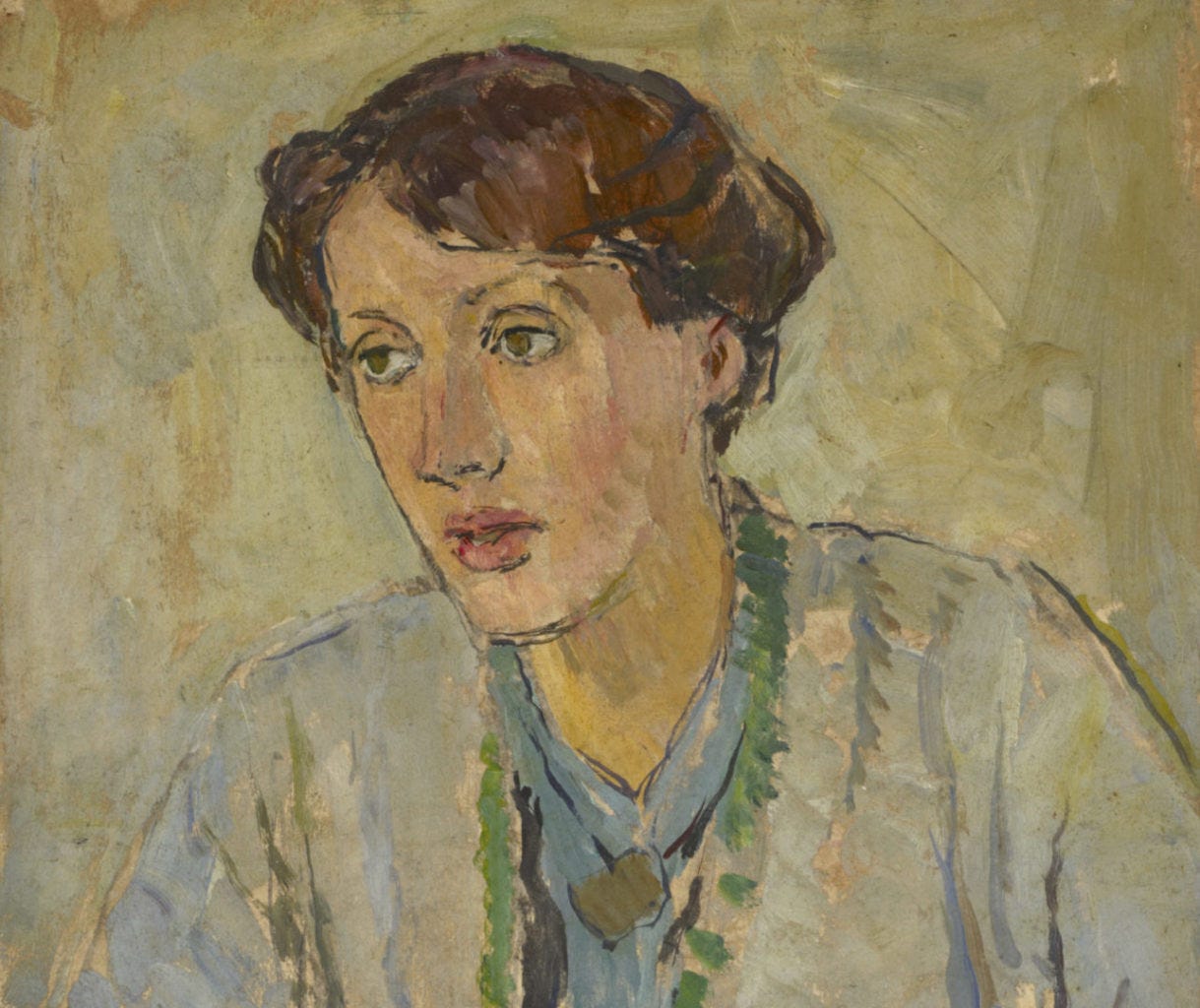
Kindred Souls: Woolf and Proust
This refusal to be categorized by the “nerves of language” found a kindred spirit in the French writer Marcel Proust, whose influence on her work is telling. She was an ardent admirer of his writing, and one wonders if their shared complexities regarding sexual orientation deepened her engagement with his work. (Proust is presumed to have been homosexual, while Woolf was bisexual, famously maintaining an intimate relationship with fellow author Vita Sackville-West while married to her devoted husband, Leonard Woolf ).
When Woolf first read Proust, she told her friend Roger Fry, “My great adventure is really Proust... How, at last, has someone solidified what has always escaped and made it too into this beautiful and perfectly enduring substance?” Upon finishing À la recherche du temps perdu, she noted that Proust so “titillates my own desire for expression” that it became an obsession. It is as if she found a soul who shared her love for the beauty of art and language, weaving his influence into her own.
The Mirror and the Weight
Woolf famously wrote in Between the Acts that “books are the mirrors of the soul”. A meditation on her writing awakens the reader to an immense vastness, as though we are seeing only the visible edge of something much larger. Though today her work is classified as feminist and was once called radical, I believe she didn’t consciously intend to be either. Her thoughts simply were. She focused on the human condition, writing exactly what she felt without trying to fit a label.
Despite a long marriage to Leonard Woolf, who loved her with utmost devotion, Virginia remained haunted by the conviction that she was an unloved wife and an unsuccessful author—neither of which was true. Her history of mental illness and her eventual suicide are deeply moving. We are told she walked into the waters of the River Ouse with her pockets filled with stones. As she once wrote in a diary entry, “I am in a mood to dissolve in the sky,” she ultimately chose to dissolve in the water.
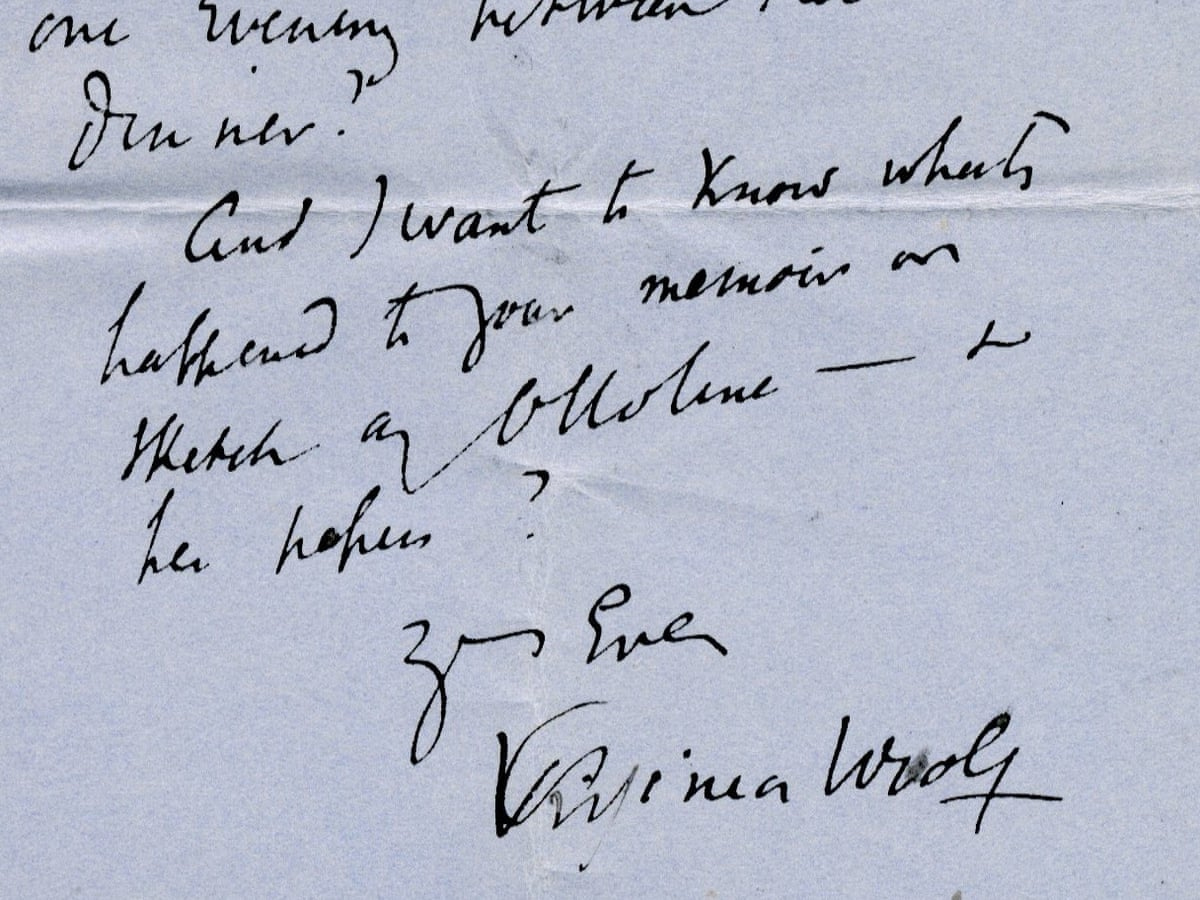
Sometimes I wonder: did she really need the stones to drown her? Would not the pathos of unresolved thoughts, the burden of words left unsaid, and the “shadows of the universe” she carried under her skin have been an unbearable weight enough to drown her on their own?
About the Contributor
Anupa is an educator and an avid reader who brings unique insight to her explorations of the written word. With an eclectic taste in books that ranges from the classic to the contemporary, she believes that literature serves as a vital mirror for our internal worlds. Through her contributions to ruminata, Anupa seeks to understand the architecture of hope and the complexities of the human condition.

Lovely, Anupa. Thank You. Sharing this!